
Substance use and mental health conditions rarely occur in isolation—yet treatment systems are still designed that way.
In this RECADEMY webinar, we’ll explore why integrated care is essential, how fragmentation impacts outcomes, and what leading organizations are doing to better align treatment models with the complex realities of the patients they serve.
What You’ll Learn:
- Why co-occurring psychiatric and substance use disorders are the norm and how they impact outcomes
- The consequences of fragmented treatment systems on engagement, relapse, and long-term stability
- How clinical complexity is evolving in the fentanyl era
- What defines effective integrated care models in real-world settings
- Practical strategies organizations can use to better coordinate psychiatric and SUD treatment
Speakers
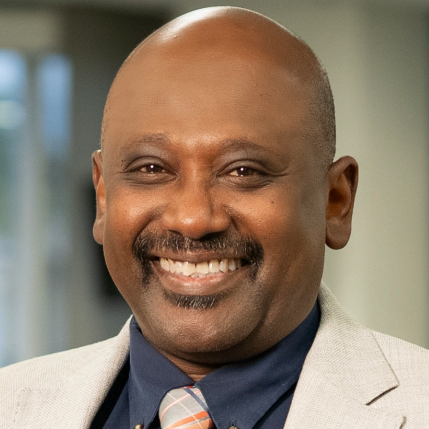
Louai Bilal, MD, MSc
Medical Director, Kaiser Fremont Medical Psychiatric Unit
Biography
Dr. Bilal is currently the Medical Director of the Kaiser Fremont MPU, Assistant Chief of Hospital Staff in KP Fremont, and interim Medical Director at Telecare Heritage Hospital. He has been an inpatient psychiatrist throughout his career and has consulted on medical floors and emergency rooms. In addition to clinical care, he has been heavily involved in postgraduate education, acting as site director for many medical student clerkships and later for Kaiser’s own psychiatric residencies in Oakland and San Jose. He is the Program Director of Psychiatric Education at the GSAA and has helped lead the efforts toward internalizing ECT service in KP SCL, expanding the use of ECT in Fremont to include inpatient ECT and court ordered treatments.
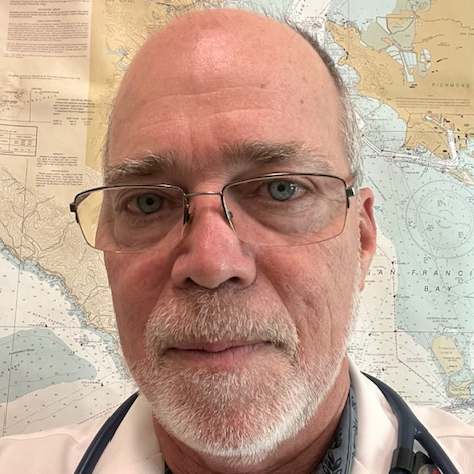
Charles C. Whitehall, MD
Kaiser Permanente Vallejo
Biography
Charles Whitehall MS, MD currently serves as the Chief of Addiction Medicine and Recovery Services (AMRS) for Napa Solano Kaiser. He is board-certified in both Family Medicine and Addiction Medicine. Before focusing his career on addiction medicine in 2014, Dr. Whitehill practiced family medicine in diverse clinical settings beginning in 2002. His approach to care emphasizes compassionate, accessible, and evidence-based addiction treatment. Outside of work, he enjoys training for triathlons, sailing with family, or playing the Great Highland bagpipes.
Charles C. Whitehall
Medical Director of Addiction Medicine Recovery Services,
Kaiser Permanente Vallejo
Moderator
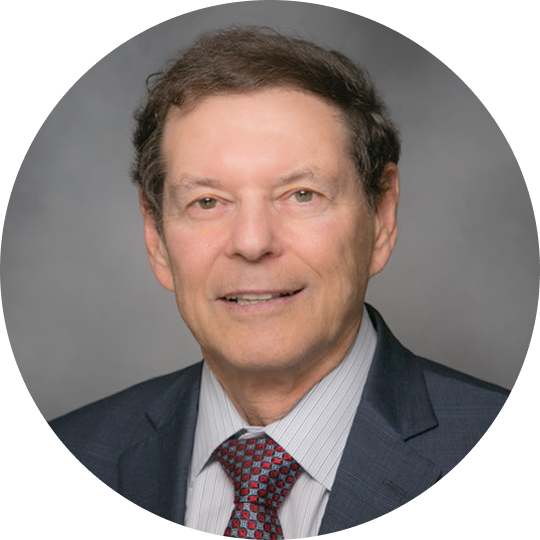
Stuart Buttlaire
Vice President Of Clinical Excellence & Leadership
info@openminds.com
717-334-1329
Gettysburg, Pennsylvania
Expertise
Strategic planning for mental health and substance use delivery systems
Integrated behavioral health system design
Behavioral health financing and policy reform and state and federal legislative and regulatory strategy
Measurement-based care and clinical performance management
Behavioral health policy authorship and thought leadership
Highlights
Regional Director of Behavioral Health and Addiction Medicine, Kaiser Permanente
Board President, Institute for Behavioral Health Improvement
Board Member, NAMI California
Advisor on Medicaid and Medicare behavioral health programs
Biography
Stuart Buttlaire brings over 35 years of executive, clinical, and policy experience to OPEN MINDS. Dr. Buttlaire has experience in both the public and private sectors of healthcare providing leadership and direction in healthcare delivery. His career has focused on advancing integrated behavioral health and addiction medicine through strategic innovation, system redesign, quality improvement, and sustainable policy reform.
Previously, Dr. Buttlaire was the Regional Director of Behavioral Health and Addiction Medicine for Kaiser Permanente. In this role, Dr. oversaw a $200 million portfolio serving 4.6 million members across 23 emergency departments and 33 medical centers. He led development and operations across inpatient, ambulatory, emergency, call center, and contracted community services, supporting more than 2,500 mental health and substance use disorder providers. His leadership resulted in significant system transformation grounded in person-centered, measurement-based, and integrated care models. Dr. Buttlaire was also the lead Mental Health Representative for State Program Initiatives, including Medicaid (Medi-Cal) and Medicare. He pioneered the design and implementation of two psychiatric inpatient units, including a nationally recognized medical/psychiatric unit for individuals with complex co-morbidities. Additional innovations include integrated urgent services for youth and adults, intensive outpatient programs, multi-family group treatments for severe psychiatric conditions, and a mobile app for eating disorders that earned Kaiser’s Innovation Award.
Dr. Buttlaire is a widely respected advisor on behavioral health policy, legislation, and regulatory strategy. He has worked closely with state and federal agencies on issues of parity enforcement, financing reform, Medicaid redesign, and systems integration. He currently serves as Board President of the Institute for Behavioral Health Improvement, is a Board Member of NAMI California, and sits on the California Hospital Association Behavioral Health Advisory Board. He previously chaired the Behavioral Health Section of the American Hospital Association and was appointed to the AHA Regional Policy Board for the Western U.S.
As a frequent speaker and author, Dr. Buttlaire has published articles and research papers on behavioral health integration, suicide prevention, financing, and policy reform. His work continues to shape strategic direction for public and private behavioral health systems across the country.
Dr. Buttlaire holds a Ph.D. in Clinical Psychology from the California Institute of Integral Studies, an MBA with a concentration in Health Care Management and Finance from UC Irvine’s Paul Merage School of Business, a Master’s in Counseling Psychology from Humboldt State, and a B.A. in Psychology and Political Science from the University of Colorado.