
Recent CDC national data shows that while total drug overdose deaths have declined from their peak, synthetic opioids remain the dominant driver of opioid-related mortality. In the most recent finalized CDC national data, synthetic opioids were involved in roughly 70% of all overdose deaths and most opioid-related deaths.
The efficacy of methadone and buprenorphine is well established. CDC national data and NIDA continue to affirm that medications for opioid use disorder are associated with significant reductions in both overdose and all-cause mortality, and that retention in treatment is strongly associated with survival. In fact, federal guidance often summarizes the impact this way: treatment with methadone or buprenorphine can reduce the risk of death by at least half.
The question is no longer whether MOUD works. The more pressing question is whether our clinical protocols, operational workflows, workforce competencies, and reimbursement models have kept pace with the fentanyl era.
Fentanyl is not only a clinical challenge. It is a system design challenge. That is what we will explore in this webinar.
Key Topics Include:
- How should induction strategies evolve in high-fentanyl exposure settings?
- When should methadone be prioritized for patients with very high tolerance?
- How should low-dose or flexible induction strategies be implemented safely and consistently?
- How do we embed harm reduction into core system infrastructure rather than treating it as an adjunct?
- How do we manage fentanyl combined with stimulants and other substances?
- And how do we scale these approaches across large public systems under workforce shortages and financial pressure?
Speakers
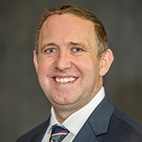
Brian Hurley, MD, MBA, FAPA, DFSAM
Medical Director, Los Angeles County Department of Public Health’s Bureau of Substance Abuse Prevention and Control
Biography
Brian Hurley, MD, MBA, FAPA, DFASAM is an addiction physician and the Medical Director of the Bureau of Substance Abuse Prevention and Control for the Los Angeles County Department of Public Health. Brian currently serves as Immediate Past President of the American Society of Addiction Medicine. He has served on a variety of committees and councils at ASAM including originating ASAM’s Motivational Interviewing course and co-authoring the ASAM and AAAP National Practice Guideline on the Treatment of Stimulant Use Disorder.
Dr. Hurley has led and facilitated projects funded through competitive grant awards from the U.S. Substance Abuse and Mental Health Services Administration, the U.S. Centers for Disease Control and Prevention, and the California Department of Health Care Services’ Opioid Response Programming in partnership with The Center at Sierra Health Foundation. These projects support harm reduction services and increase the availability of addiction medications in public sector programs across Los Angeles County.
Brian is a member of the Motivational Interviewing Network of Trainers. He completed the Robert Wood Johnson Foundation Clinical Scholars Program at the University of California, Los Angeles (UCLA) and is an alumnus of the Massachusetts General Hospital and McLean Hospital Psychiatry Residency Training Program and the New York University Addiction Psychiatry Fellowship. Additionally, he has served various roles for the Massachusetts Society of Addiction Medicine, New York Society of Addiction Medicine, and California Society of Addiction Medicine.
Brian Hurley MD, MBA, FAPA, DFSAM
Medical Director,
Los Angeles County Department of Public Health’s Bureau of Substance Abuse Prevention and Control
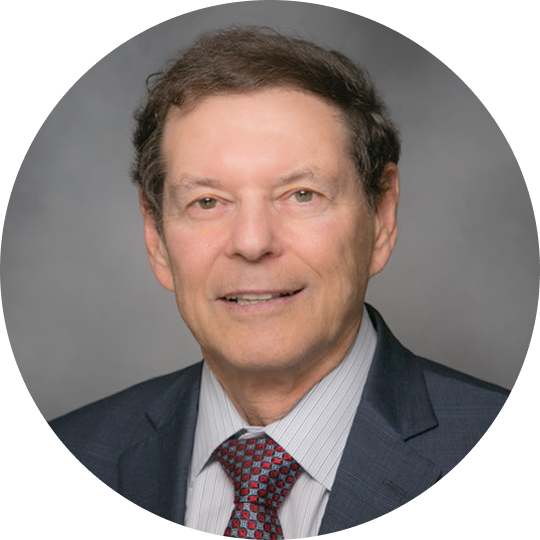
Stuart Buttlaire
Vice President Of Clinical Excellence & Leadership
info@openminds.com
717-334-1329
Gettysburg, Pennsylvania
Expertise
Strategic planning for mental health and substance use delivery systems
Integrated behavioral health system design
Behavioral health financing and policy reform and state and federal legislative and regulatory strategy
Measurement-based care and clinical performance management
Behavioral health policy authorship and thought leadership
Highlights
Regional Director of Behavioral Health and Addiction Medicine, Kaiser Permanente
Board President, Institute for Behavioral Health Improvement
Board Member, NAMI California
Advisor on Medicaid and Medicare behavioral health programs
Biography
Stuart Buttlaire brings over 35 years of executive, clinical, and policy experience to OPEN MINDS. Dr. Buttlaire has experience in both the public and private sectors of healthcare providing leadership and direction in healthcare delivery. His career has focused on advancing integrated behavioral health and addiction medicine through strategic innovation, system redesign, quality improvement, and sustainable policy reform.
Previously, Dr. Buttlaire was the Regional Director of Behavioral Health and Addiction Medicine for Kaiser Permanente. In this role, Dr. oversaw a $200 million portfolio serving 4.6 million members across 23 emergency departments and 33 medical centers. He led development and operations across inpatient, ambulatory, emergency, call center, and contracted community services, supporting more than 2,500 mental health and substance use disorder providers. His leadership resulted in significant system transformation grounded in person-centered, measurement-based, and integrated care models. Dr. Buttlaire was also the lead Mental Health Representative for State Program Initiatives, including Medicaid (Medi-Cal) and Medicare. He pioneered the design and implementation of two psychiatric inpatient units, including a nationally recognized medical/psychiatric unit for individuals with complex co-morbidities. Additional innovations include integrated urgent services for youth and adults, intensive outpatient programs, multi-family group treatments for severe psychiatric conditions, and a mobile app for eating disorders that earned Kaiser’s Innovation Award.
Dr. Buttlaire is a widely respected advisor on behavioral health policy, legislation, and regulatory strategy. He has worked closely with state and federal agencies on issues of parity enforcement, financing reform, Medicaid redesign, and systems integration. He currently serves as Board President of the Institute for Behavioral Health Improvement, is a Board Member of NAMI California, and sits on the California Hospital Association Behavioral Health Advisory Board. He previously chaired the Behavioral Health Section of the American Hospital Association and was appointed to the AHA Regional Policy Board for the Western U.S.
As a frequent speaker and author, Dr. Buttlaire has published articles and research papers on behavioral health integration, suicide prevention, financing, and policy reform. His work continues to shape strategic direction for public and private behavioral health systems across the country.
Dr. Buttlaire holds a Ph.D. in Clinical Psychology from the California Institute of Integral Studies, an MBA with a concentration in Health Care Management and Finance from UC Irvine’s Paul Merage School of Business, a Master’s in Counseling Psychology from Humboldt State, and a B.A. in Psychology and Political Science from the University of Colorado.