Navigating the Opioid Crisis: Expert Insights & Evolving Strategies
This conversation offers a powerful and practical look at how treatment for opioid use disorder (OUD) has evolved, and how the health system must continue to change to meet the needs of those struggling with an OUD. Dr. Laura Kehoe and Dr. William Santoro draw on decades of clinical experience to discuss the shift from short-term, episodic detox toward long-term, chronic disease management using evidence-based medications and harm reduction. They highlight systemic failures, including stigma, and the need to treat OUD like other chronic illnesses. They speak to the importance of patient engagement, broadening access to care across treatment settings, and training non-specialist providers to deliver treatment.
Featured Speakers

Laura Kehoe, MD, MPH
Assistant Professor of Medicine, Harvard Medical School;
Medical Director, Massachusetts General Hospital Substance Use Disorder Bridge Clinic
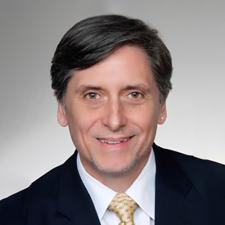
William Santoro, MD, FASAM, DABAM
Medical Director, Addiction Medicine Services – St. Luke’s University Health Network
Key Takeaways:
- OUD is a chronic, treatable disease—not an acute issue. The use of medications must be central, and stopping them often leads to relapse, showing their effectiveness.
- Stigma still exists, even among healthcare professionals. Patients, medications, and even providers are often misunderstood and neglected.
- Harm reduction is essential and should be normalized.
- Treatment should be available in every care setting, from primary care and OB/GYN to emergency departments and inpatient units. All providers should be empowered to treat.
- Success must be measured differently—not just negative drug screens, but engagement, quality of life, family relationships, and ability to work.
- System change is urgent. The current fee-for-service model doesn’t incentivize what works. Health systems must move toward outcome-driven care that prioritizes keeping people alive and engaged.
- Patient-centered conversations matter. Whether a person is ready for treatment or not, clinicians must lead with listening, respect, and motivational interviewing techniques.
Music by: Bensound; Artist: Yunior Arronte; License code: OPLBN7RXJJJYPGEP
Want to Read more?
To view this content, please sign up or log in to your account.
Create an account in seconds or log in if you’re already a member.
Sign Up
Sign In