Implementing Medication-Assisted Treatment in a FQHC: The Valleywise Health Case Study
Free On-Demand Presentation Courtesy of Valleywise Health System
Presented on November 22, 2024
This OPEN MINDS Executive Roundtable was delivered on November 21, 2024, by Vicki Staples, Director of Outpatient Behavioral Health Services. She shared the Valleywise Health (VWH) SAMHSA-funded approach to delivering medication-assisted treatment (MAT) rooted in the principles of integrated behavioral health, harm reduction, and person-centered care. The model includes: MAT delivery in primary care; Behavioral health is provided by licensed clinicians, behavioral health technicians, and certified peer recovery support specialists; Evidence-based models of cognitive behavioral therapy (CBT), community reinforcement, and harm reduction, provided contiguously with medication; A focus on justice involved populations; and Partnerships with three peer-run organizations to focus on health-related social needs and social determinants of health (SDOH).
Featured Speaker
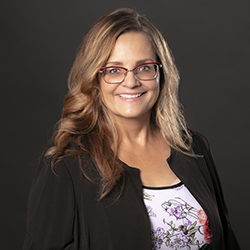
Vicki Staples
Director of Outpatient Behavioral Health Services, Valleywise Health
Vicki Staples, MEd, joined Valleywise Health in 2016 as the Director of Outpatient Behavioral Health Services, providing administrative and clinical oversight of outpatient behavioral health clinics, including the First Episode Centers, Assertive Community Treatment Program, Mesa Behavioral Health Specialty Center, and the Integrated Behavioral programs located in Federally Qualified Health Centers across Maricopa County. Formerly the Associate Director for Clinical Initiatives at the ASU Center for Applied Behavioral Health Policy and Director of Recovery, Resiliency & Wellness for the Arizona Department of Health Services/Division of Behavioral Health. She has over 35 years of experience implementing evidence-supported clinical and recovery services in Arizona and continues to focus on increasing collaboration with stakeholders and across service systems to stimulate practice improvements and promote recovery for all behavioral health populations.
Want to Read more?
To view this content, please sign up or log in to your account.
Create an account in seconds or log in if you’re already a member.